





Discover why Ganzhou Navel Oranges are globally sought after. Learn about their unique qualities, sourcing best practices, and how to identify premium-grade fruit for export markets.
Grown in Jiangxi Province’s mineral-rich red soil under ideal subtropical conditions, Ganzhou Navel Oranges have been cultivated since the Tang Dynasty (618-907 AD). Modern orchards combine traditional knowledge with scientific cultivation:
International buyers should understand these grading criteria (based on China GB/T 21488-2008 standard):
Our quality control process implements rigorous sorting at three stages: harvest, packing house, and pre-shipment.
Navigating China’s citrus supply chain requires understanding these key aspects:
| Harvest Period | Characteristics | Target Markets |
|---|---|---|
| Early Season (Oct) | Higher acidity, lighter color | Russia, Central Asia |
| Peak Season (Nov-Jan) | Optimal sugar balance | EU, Southeast Asia |
| Late Season (Feb-Mar) | Deeper color, softer texture | Domestic premium |
For customized sourcing solutions, contact our export team to discuss your specific market requirements.
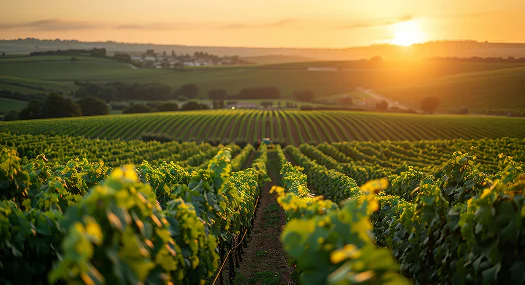

Ganzhou Navel Oranges thrive in the region's unique red soil and subtropical climate, developing a distinctive balance of sweetness (Brix 12-15°) and acidity with vibrant orange color and thin, easy-to-peel skin.
Look for these quality markers: uniform 70-85mm diameter, smooth blemish-free skin, firm texture, and intact calyx. Reputable suppliers provide quality certifications and accept third-party inspections. Visit our <a href='https://ganzhounavelorange.com/navelorange/'>quality standards page</a> for detailed parameters.
Peak season runs November-January when sugars fully develop. Early-season (October) fruit has higher acidity preferred by some markets, while late-season (Feb-March) oranges develop deeper color but require careful handling.


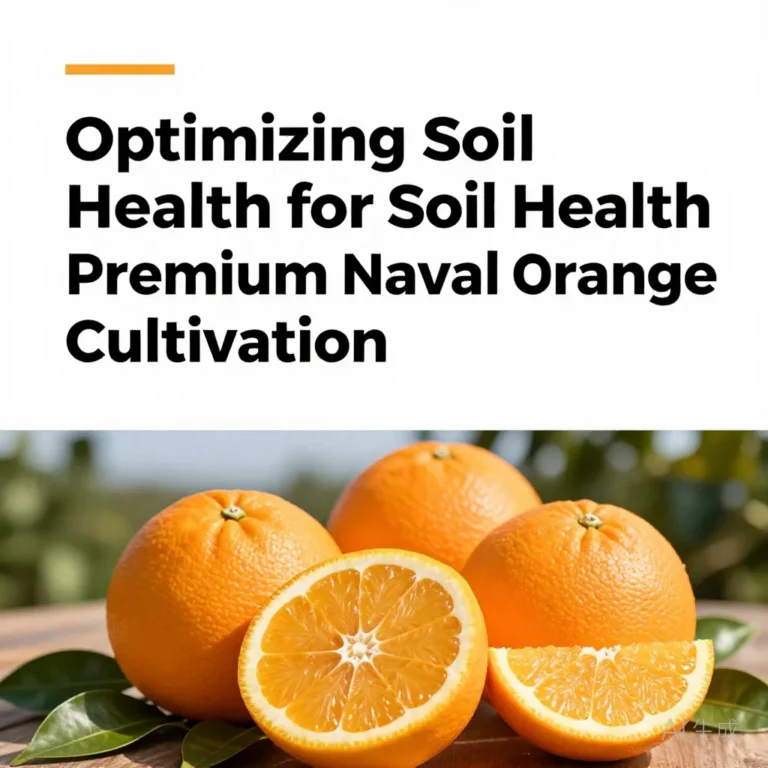


[…] Premium Ganzhou Navel Oranges: Sourcing, Quality, and Global Appeal […]
[…] Premium Ganzhou Navel Oranges: Sourcing, Quality, and Global Appeal […]
[…] Premium Ganzhou Navel Oranges: Sourcing, Quality, and Global Appeal […]
[…] Premium Ganzhou Navel Oranges: Sourcing, Quality, and Global Appeal […]
[…] Premium Ganzhou Navel Oranges: Sourcing, Quality, and Global Appeal […]
[…] Premium Ganzhou Navel Oranges: Sourcing, Quality, and Global Appeal […]