



Discover how Ganzhou Navel Oranges achieve premium quality through unique cultivation practices, precision agriculture, and efficient global supply chain management for bulk buyers.
{“@context”:”https://schema.org”,”@graph”:[{“@type”:”Article”,”headline”:”Premium Ganzhou Navel Oranges: Cultivation Excellence and Global Supply Chain Insights”,”description”:”Discover how Ganzhou Navel Oranges achieve premium quality through unique cultivation practices, precision agriculture, and efficient global supply chain management for bulk buyers.”,”datePublished”:”2026-10-13″,”dateModified”:”2026-10-13″,”inLanguage”:”en”,”mainEntityOfPage”:{“@type”:”WebPage”,”@id”:”https://ganzhounavelorange.com”},”author”:{“@type”:”Person”,”name”:”Editorial Team”},”publisher”:{“@type”:”Organization”,”name”:”Site Team”}},{“@type”:”BreadcrumbList”,”itemListElement”:[{“@type”:”ListItem”,”position”:1,”name”:”Home”,”item”:”https://ganzhounavelorange.com”},{“@type”:”ListItem”,”position”:2,”name”:”Premium Ganzhou Navel Oranges: Cultivation Excellence and Global Supply Chain Insights”,”item”:”https://ganzhounavelorange.com”}]},{“@type”:”Organization”,”name”:”Site Team”,”url”:”https://ganzhounavelorange.com”},{“@type”:”FAQPage”,”mainEntity”:[{“@type”:”Question”,”name”:”What makes Ganzhou Navel Oranges different from other citrus varieties?”,”acceptedAnswer”:{“@type”:”Answer”,”text”:”Ganzhou Navel Oranges are distinguished by their perfect sugar-acid balance, thicker peel for better transport resilience, seedless nature, and vibrant color. The region’s unique red soil and microclimate contribute to their signature flavor profile.”}},{“@type”:”Question”,”name”:”How does precision irrigation impact orange quality for export markets?”,”acceptedAnswer”:{“@type”:”Answer”,”text”:”Our precision irrigation systems maintain optimal soil moisture levels (between 60-80% field capacity) throughout growth cycles, preventing peel splitting while ensuring consistent brix levels. This technology reduces water usage by 30% compared to traditional methods while improving fruit uniformity – critical for meeting international standards.”}},{“@type”:”Question”,”name”:”What quality assurance measures are implemented for bulk shipments?”,”acceptedAnswer”:{“@type”:”Answer”,”text”:”Every export shipment undergoes: 1) Pre-harvest field testing for sugar content (minimum 12°Brix) and acidity (0.5-0.9%), 2) Post-harvest optical sorting by size (65-90mm diameter) and color, 3) Sample testing for pesticide residues (meeting EU MRLs), and 4) Temperature-controlled logistics (maintained at 3-4°C for long-haul shipments).”}}]}]}
Ganzhou Navel Oranges represent the pinnacle of citrus excellence, cultivated in China’s Jiangxi province under optimal growing conditions. These seedless oranges are prized for their perfect balance of sweetness (typically 12-14°Brix) and acidity (0.6-0.8%), wrapped in a vibrant orange peel that’s noticeably thicker than common varieties – a natural advantage for international shipping. The region’s unique red soil, rich in mineral deposits, contributes to the fruit’s distinctive flavor profile and nutritional density (particularly high in vitamin C at 53mg per 100g). Unlike mass-produced citrus, our premium navel oranges follow strict cultivation protocols that limit yields to 25-30 tons per hectare, ensuring each fruit develops optimal size (75-85mm diameter) and sugar accumulation. The harvest window is precisely timed between late October and December when acid levels naturally decrease to the ideal range for export markets.
Our orchards employ precision agriculture technologies that set global benchmarks for citrus production. The integrated cultivation system combines: 1) Drip irrigation with soil moisture sensors maintaining 65-75% field capacity, 2) UAV multispectral imaging for nutrient deficiency detection, 3) Climate-controlled net houses protecting 30% of our groves from extreme weather, and 4) Biological pest control replacing 80% of conventional pesticides. These methods achieve consistent fruit caliber (95% meeting 70-90mm sizing standards) while reducing water usage by 35% compared to traditional farming. The post-blossom fruit thinning process manually removes 40-50% of young fruit to redirect energy to remaining oranges – a labor-intensive practice that yields thicker peel (3.5-4mm vs. standard 2.5mm) and higher brix levels. Our quality control begins 90 days pre-harvest with weekly brix/acid ratio testing across 200 sample trees, allowing precise prediction of optimal picking dates for different export markets.
Navigating international fruit logistics requires specialized infrastructure that we’ve developed over 15 years of global exports. Our supply chain features: 1) Pre-cooling facilities reducing pulp temperature to 4°C within 6 hours of harvest, 2) Modified atmosphere packaging (MAP) maintaining 3-5% O2 and 10-15% CO2 during transit, 3) Blockchain-enabled cold chain monitoring with GPS temperature loggers, and 4) Strategic partnerships with reefer container operators ensuring weekly sailings to major ports. For bulk buyers, we offer flexible packaging options including 15kg cartons (144-count), 1-ton bins for processing facilities, and customized retail-ready packs. Shipments to Europe typically transit in 21 days with <1% spoilage, while Asian markets receive fruit within 10 days via dedicated charter vessels. Our logistics team handles all phytosanitary documentation, including pre-shipment methyl bromide treatments (when required) and EUREPGAP certification for European retailers. The complete traceability system allows buyers to access harvest date, orchard block, and quality test results for every shipment.
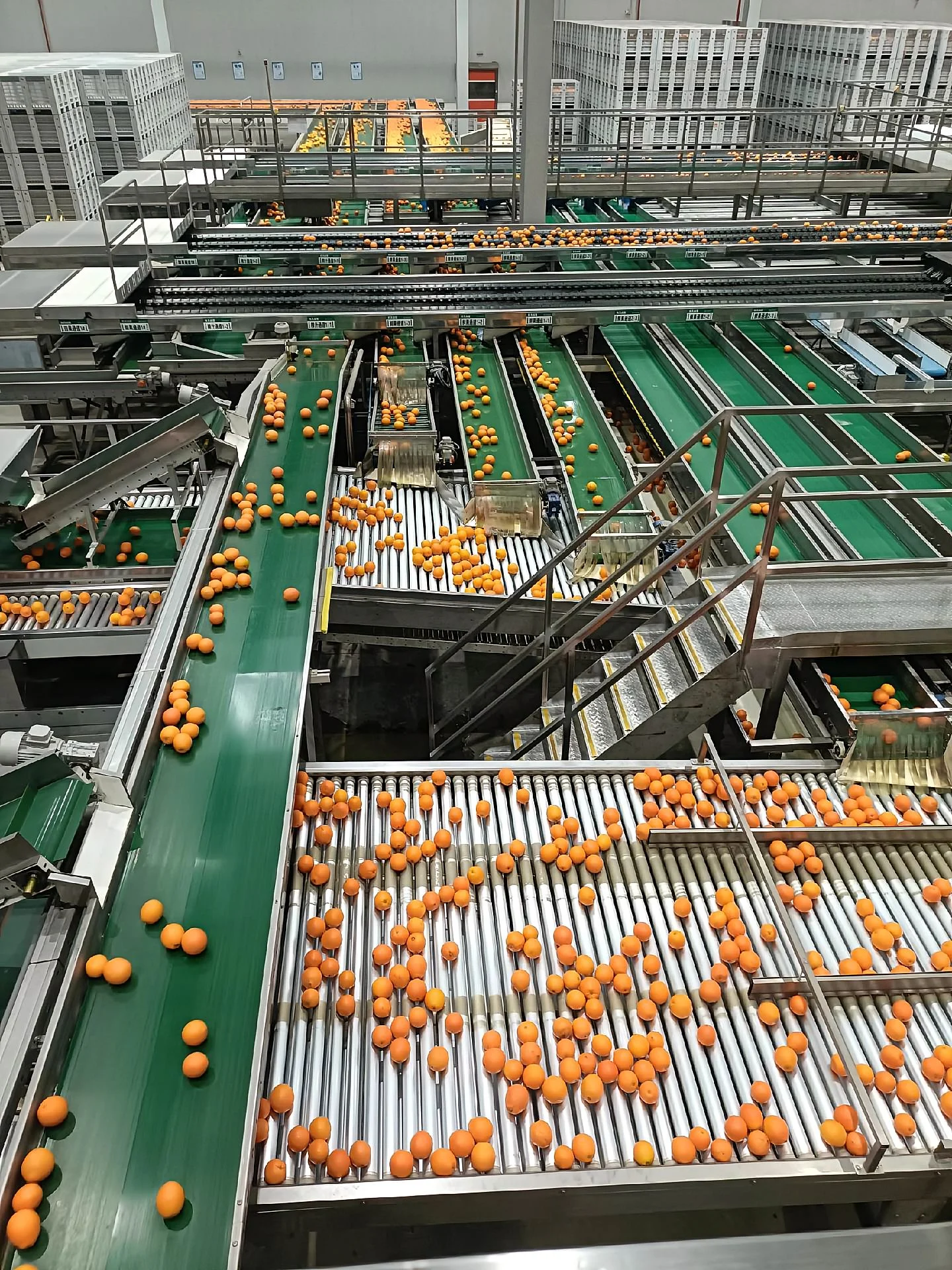
Meeting diverse international standards requires rigorous quality controls at every stage. Our export process includes seven checkpoints: 1) Pre-harvest field inspections (testing for sugar content, acidity, and color uniformity), 2) Electronic weight/color/size sorting (rejecting any fruit outside 65-90mm diameter), 3) UV sanitizing wash with food-grade wax coating, 4) Three-stage manual inspection (removing fruit with blemishes >5mm), 5) Laboratory testing for 186 pesticide residues (consistently below EU MRLs), 6) Sample cold storage testing (verifying 45-day shelf life at 4°C), and 7) Pre-shipment quality certificates from CIQ. For processed products, our BRC-certified facility produces IQF segments, not-from-concentrate juice (72°Brix), and essential oils – all from the same premium fruit. Bulk buyers receive detailed quality reports including brix/acid ratio (target 18:1), firmness (minimum 3.5kg/cm²), and juice content (typically 45-50% by weight). We maintain separate production lines for markets with strict residue limits (EU, Japan) and can provide fumigation certificates for quarantine requirements.
When evaluating citrus sourcing options, Ganzhou Navel Oranges offer distinct advantages over other regions: 1) Extended season availability (October-March vs. California’s December-April window), 2) Naturally thicker peel reducing transport damage by 60% compared to thinner-skinned varieties, 3) Consistent sizing (85% falling in the profitable 75-85mm range preferred by retailers), and 4) Lower production costs (approximately 20% less than South African equivalents due to vertical integration). Our climate-controlled storage can extend the marketing window by 60 days post-harvest without quality degradation – a critical factor for buyers managing long supply chains. The table below compares key metrics with competing origins:
| Parameter | Ganzhou | California | South Africa |
|---|---|---|---|
| Average Brix | 12.5° | 11.8° | 12.2° |
| Peel Thickness | 3.8mm | 2.7mm | 3.2mm |
| Transit Time to EU | 21 days | N/A | 14 days |
| Export Price/Ton (FOB) | $980-1,100 | $1,300-1,500 | $1,100-1,250 |
Experienced importers should evaluate five critical factors when sourcing premium navel oranges: 1) Seasonality planning (our staggered harvest across 12 microclimates enables 22-week availability), 2) Value-added processing capabilities (we offer private label juice, segments, and peel products), 3) Logistics flexibility (ability to shift between container and breakbulk shipments), 4) Food safety certifications (including GlobalGAP, HACCP, and organic options), and 5) Payment terms (we accept LC at sight for new buyers, transitioning to TT for established partners). For wholesalers serving premium supermarkets, we recommend mixed containers combining multiple sizes (88/113/138 count) to optimize shelf presentation. Processing plants benefit from our ‘industrial grade’ program – fruit with minor cosmetic blemishes offered at 30% discount while maintaining identical flavor profiles. Our sales team works with buyers to develop customized programs including forward contracts (with 10% deposit securing December-March supply), quality-based pricing (premiums for 14°Brix+ lots), and promotional packaging support.
Our commitment to sustainable agriculture ensures reliable long-term supply for international partners. The integrated pest management program has reduced synthetic pesticide use by 75% through: 1) Mating disruption for citrus leafminers, 2) Beneficial insect habitats in orchard perimeters, and 3) Weather-driven disease prediction models. Water conservation initiatives include satellite-guided irrigation (saving 2.5 million m³ annually) and constructed wetlands filtering runoff. Social responsibility programs invest 3% of revenues in local education and healthcare – a factor increasingly valued by EU retailers under CSRD requirements. Looking ahead, our 2025 sustainability roadmap targets: 1) Complete elimination of WHO Class 1A/1B pesticides, 2) 40% reduction in carbon footprint through solar-powered cold storage, and 3) Blockchain implementation for full supply chain transparency. These practices not only meet evolving import regulations but also future-proof your supply against tightening sustainability standards in key markets.
Beyond supplying fruit, we’ve built comprehensive support services for international buyers: 1) Market intelligence reports on 15 key importing countries, 2) Retail packaging design assistance (including EU nutritional labeling compliance), 3) Quality control training for receiving warehouse staff, and 4) Dispute resolution through CIETAC arbitration. For new market entries, we provide shipment insurance covering quality rejection (up to 110% invoice value) and detailed category management data showing optimal pricing windows. Our digital platform allows real-time tracking of orders from orchard to port, with automated alerts for any temperature deviations during transit. Seasonal planning workshops (held biannually in Ganzhou and Rotterdam) help buyers optimize their purchasing calendars against competing origins. Whether you’re a European importer needing consistent weekly volumes or a Middle Eastern retailer building a premium citrus program, our customer success team tailors solutions to your specific business requirements and market conditions.
To discuss your specific sourcing requirements for premium Ganzhou Navel Oranges, contact our export team today for customized volume proposals and quality specifications. Request a quote with your preferred shipment dates and packaging specifications to receive competitive FOB or CIF pricing for your target market.

Ganzhou Navel Oranges are distinguished by their perfect sugar-acid balance, thicker peel for better transport resilience, seedless nature, and vibrant color. The region's unique red soil and microclimate contribute to their signature flavor profile.
Our precision irrigation systems maintain optimal soil moisture levels (between 60-80% field capacity) throughout growth cycles, preventing peel splitting while ensuring consistent brix levels. This technology reduces water usage by 30% compared to traditional methods while improving fruit uniformity – critical for meeting international standards.
Every export shipment undergoes: 1) Pre-harvest field testing for sugar content (minimum 12°Brix) and acidity (0.5-0.9%), 2) Post-harvest optical sorting by size (65-90mm diameter) and color, 3) Sample testing for pesticide residues (meeting EU MRLs), and 4) Temperature-controlled logistics (maintained at 3-4°C for long-haul shipments).