




Discover expert techniques for cultivating premium Ganzhou Navel Oranges, including soil management, irrigation strategies, pest control, and harvesting methods to maximize yield and fruit quality for commercial growers.
{“@context”:”https://schema.org”,”@graph”:[{“@type”:”Article”,”headline”:”Optimizing Ganzhou Navel Orange Cultivation: Best Practices for High-Yield Production”,”description”:”Discover expert techniques for cultivating premium Ganzhou Navel Oranges, including soil management, irrigation strategies, pest control, and harvesting methods to maximize yield and fruit quality for”,”datePublished”:”2026-10-13″,”dateModified”:”2026-10-13″,”inLanguage”:”en”,”mainEntityOfPage”:{“@type”:”WebPage”,”@id”:”https://ganzhounavelorange.com”},”author”:{“@type”:”Person”,”name”:”Editorial Team”},”publisher”:{“@type”:”Organization”,”name”:”Site Team”}},{“@type”:”BreadcrumbList”,”itemListElement”:[{“@type”:”ListItem”,”position”:1,”name”:”Home”,”item”:”https://ganzhounavelorange.com”},{“@type”:”ListItem”,”position”:2,”name”:”Optimizing Ganzhou Navel Orange Cultivation: Best Practices for High-Yield Production”,”item”:”https://ganzhounavelorange.com”}]},{“@type”:”Organization”,”name”:”Site Team”,”url”:”https://ganzhounavelorange.com”},{“@type”:”FAQPage”,”mainEntity”:[{“@type”:”Question”,”name”:”What makes Ganzhou Navel Oranges different from other varieties?”,”acceptedAnswer”:{“@type”:”Answer”,”text”:”Ganzhou Navel Oranges are distinguished by their superior sweetness, seedless nature, and easy-to-peel characteristics. The unique microclimate and soil composition in Ganzhou contribute to their exceptional flavor profile and bright orange color, making them highly sought after in international markets.”}},{“@type”:”Question”,”name”:”How often should Ganzhou Navel Orange trees be irrigated?”,”acceptedAnswer”:{“@type”:”Answer”,”text”:”Irrigation frequency depends on soil type, climate conditions, and tree age. Mature trees typically require deep watering every 10-14 days during dry periods, while young trees need more frequent irrigation. Implementing precision irrigation systems can optimize water use and prevent both under- and over-watering.”}},{“@type”:”Question”,”name”:”What are the key indicators for harvesting Ganzhou Navel Oranges?”,”acceptedAnswer”:{“@type”:”Answer”,”text”:”The primary indicators include sugar content (Brix level) reaching 12-14%, fruit color development (80-90% orange), and firmness. Regular testing and visual inspection are crucial as premature harvesting affects flavor, while delayed harvesting increases the risk of fruit drop and quality deterioration.”}}]}]}
The cultivation of Ganzhou Navel Oranges represents a perfect blend of traditional agricultural wisdom and modern scientific practices. These premium oranges, grown in the unique terroir of Jiangxi Province, China, have gained international recognition for their exceptional quality and flavor. Commercial growers seeking to maximize yield and fruit quality must understand the specific cultivation requirements that differentiate Ganzhou oranges from other citrus varieties. This comprehensive guide examines every critical aspect of cultivation, from orchard establishment to post-harvest handling, providing actionable insights for both new and experienced growers. With proper implementation of these techniques, growers can achieve consistent production of high-grade fruit that meets the exacting standards of global markets.
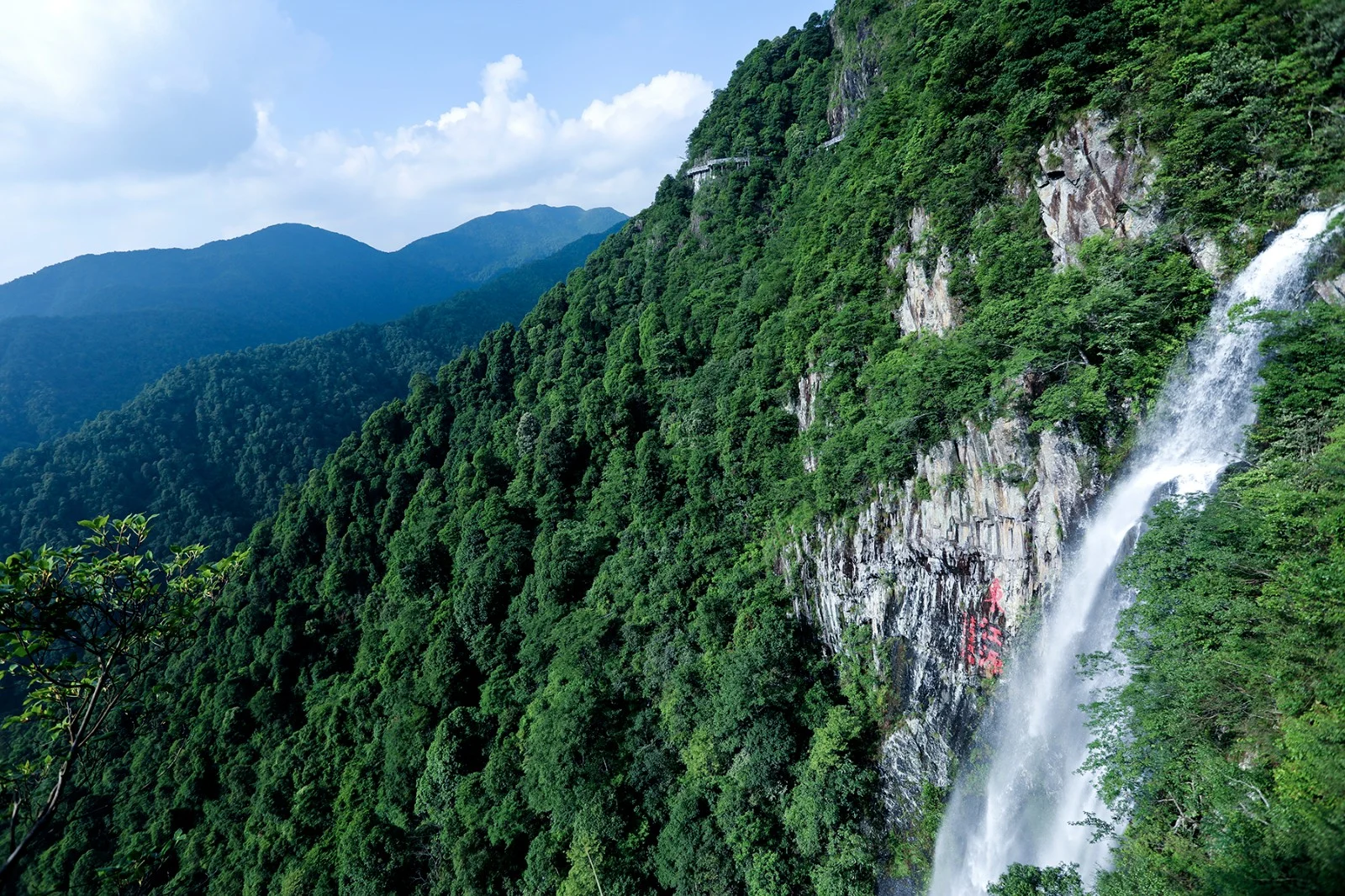
Ganzhou’s subtropical monsoon climate provides ideal growing conditions, with annual temperatures averaging 18-22°C and rainfall between 1400-1600mm. The region’s distinct four seasons, particularly the cold winter months, contribute to the fruit’s signature sweetness and vibrant color. Soil composition plays an equally vital role, with the area’s red soil being rich in organic matter (2.5-3.5%) and having excellent drainage properties. Ideal pH levels range between 5.5-6.5, which can be maintained through regular soil testing and targeted amendments. Growers should conduct thorough site analysis before establishing new orchards, paying special attention to elevation (150-300m above sea level is optimal), slope orientation (south-facing preferred), and wind protection. These geographic factors significantly influence microclimate conditions that affect fruit development and quality consistency.
Establishing a productive Ganzhou Navel Orange orchard requires careful planning and execution. Begin with certified disease-free saplings from reputable nurseries, selecting rootstocks compatible with local soil conditions. Common rootstock choices include trifoliate orange for its cold tolerance and dwarfing characteristics. Planting density typically ranges from 400-600 trees per hectare, with exact spacing adjusted based on terrain and equipment needs. Prepare planting holes (80cm diameter, 60cm depth) well in advance, incorporating organic matter and mycorrhizal inoculants to promote root development. The optimal planting window falls between late winter and early spring, allowing saplings to establish before summer heat. Implement windbreaks if necessary, using non-citrus species to prevent disease transmission. Proper orchard layout should account for future irrigation infrastructure, access roads, and harvesting efficiency to minimize long-term operational challenges.
Water management represents one of the most critical factors in Ganzhou Navel Orange cultivation. These trees require consistent moisture, particularly during fruit development stages, but are highly sensitive to waterlogging. Modern orchards increasingly adopt precision irrigation systems such as drip or micro-sprinklers, which deliver water directly to the root zone with minimal waste. Key irrigation phases include:
Soil moisture sensors placed at multiple depths (20cm, 40cm, 60cm) provide real-time data for irrigation decisions. Water quality should be regularly tested, with salinity levels kept below 1 dS/m to prevent leaf burn and root damage. Mulching with organic materials helps retain soil moisture while suppressing weeds and gradually improving soil structure.
Balanced nutrition forms the foundation of high-quality Ganzhou Navel Orange production. A comprehensive fertilization program addresses both macro- and micronutrient needs throughout the growing cycle. Soil and leaf tissue analysis should guide application rates, with typical annual requirements per mature tree including:
| Nutrient | Annual Requirement | Key Application Times |
|---|---|---|
| Nitrogen | 200-300g | Spring growth, post-harvest |
| Phosphorus | 80-120g | Pre-flowering, root development |
| Potassium | 250-400g | Fruit development, pre-harvest |
| Calcium | 150-200g | Continuous through season |
Foliar applications of zinc, manganese, and boron address common deficiencies, particularly in high-pH soils. Organic amendments like composted manure (10-15kg per tree annually) improve soil biology and nutrient retention. Controlled-release fertilizers minimize leaching losses, while fertigation systems allow precise nutrient delivery during irrigation cycles. Growers should maintain detailed fertilization records to adjust programs based on tree response and yield results.
Protecting Ganzhou Navel Orange trees from pests and diseases requires an integrated approach combining cultural, biological, and selective chemical controls. Common challenges include citrus psyllids (Diaphorina citri), which spread huanglongbing (HLB) disease, and fungal pathogens like citrus black spot. Effective management strategies involve:
Quarantine protocols for new plant material prevent introduction of pathogens, while buffer zones between orchards limit disease spread. Weather-based disease prediction models help time preventive treatments for maximum effectiveness. All control measures should follow integrated pest management (IPM) principles, prioritizing environmentally friendly options and rotating chemical groups to prevent resistance development.
Proper pruning shapes Ganzhou Navel Orange trees for optimal light penetration, air circulation, and harvest efficiency. The open-center system works well for these trees, creating a vase-like structure that allows sunlight to reach inner branches. Annual pruning during late winter removes:
Canopy density should maintain about 30-40% light penetration to the inner branches. Summer pruning may be necessary to control excessive vegetative growth that competes with fruit development. Tools must be disinfected between trees to prevent disease transmission, and large cuts should be treated with protective compounds. Proper pruning not only improves fruit quality but also facilitates spray coverage and reduces pest habitats within the canopy.
Ganzhou Navel Orange trees typically flower in April-May, with fruit maturing 7-9 months later. Ensuring adequate pollination and fruit set requires attention to several factors:
While navel oranges are parthenocarpic (producing fruit without pollination), fruit thinning may be necessary in heavy crop years to prevent branch damage and ensure proper fruit size. Manual thinning removes small or damaged fruit first, leaving 1-2 fruits per cluster. The ideal leaf-to-fruit ratio ranges from 30:1 to 40:1 for optimal sugar development. Growers should monitor fruit growth rates and adjust thinning intensity accordingly, as over-thinning can lead to excessively large fruit with poor keeping quality.
Harvesting Ganzhou Navel Oranges at peak maturity ensures maximum flavor and shelf life. Commercial operations typically employ selective picking over multiple passes rather than strip harvesting. Key harvesting best practices include:
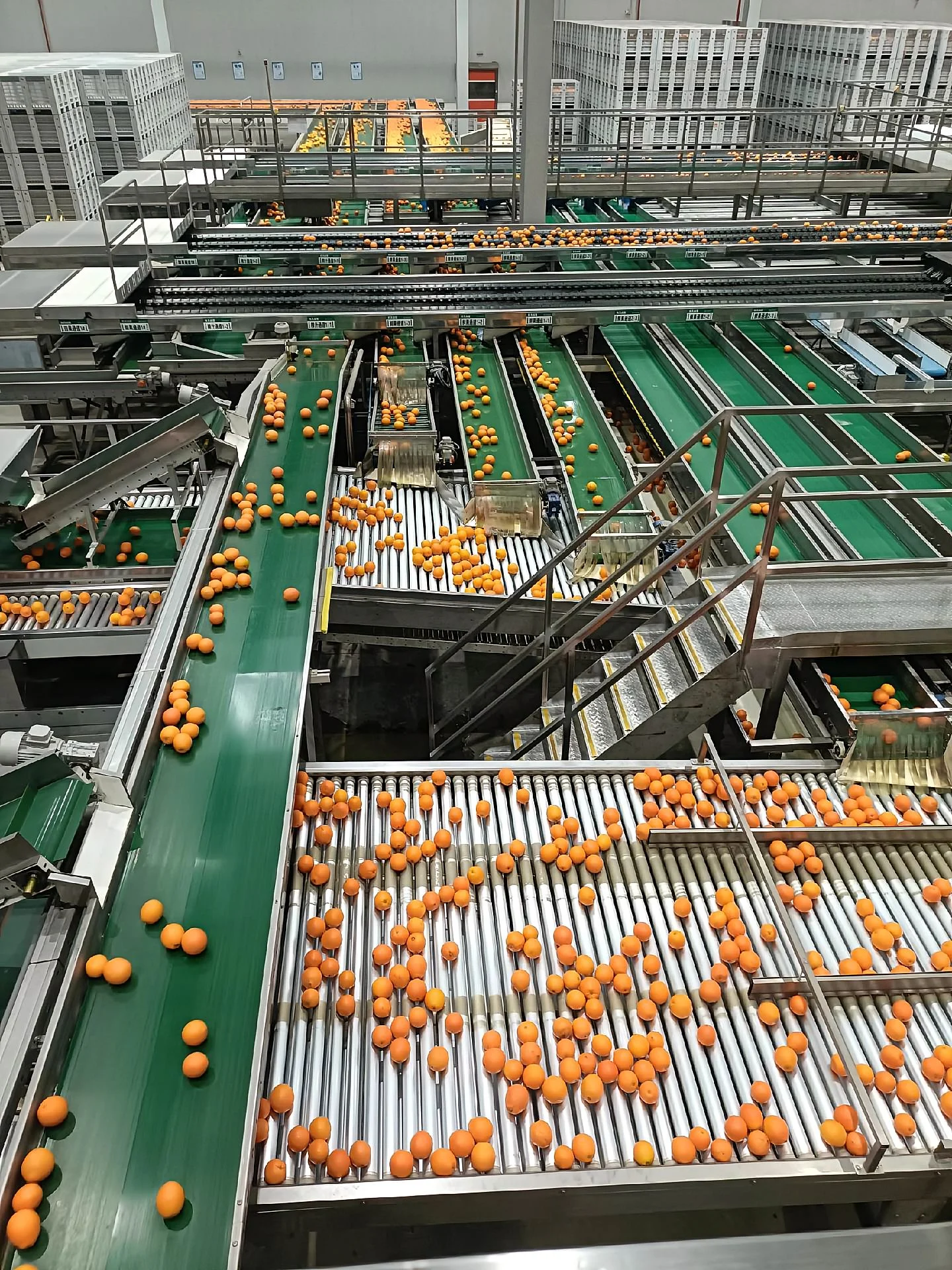
Post-harvest treatments may include fungicide applications for extended storage, followed by careful grading based on size, color, and blemish levels. Modern packinghouses utilize optical sorting technology to maintain consistent quality standards. Proper temperature management (5-8°C for storage) and humidity control (85-90% RH) preserve fruit quality during transportation. Implementing traceability systems allows identification of production batches throughout the supply chain, an increasingly important requirement for international buyers.
Meeting international quality standards is essential for successful export of Ganzhou Navel Oranges. Key parameters include:
| Parameter | Premium Grade | Standard Grade |
|---|---|---|
| Diameter | 75-90mm | 65-95mm |
| Brix Level | ≥12% | ≥10% |
| Color | ≥90% orange | ≥80% orange |
| Defects | ≤5% surface | ≤10% surface |
Preparation for international markets involves proper documentation, including phytosanitary certificates and compliance with destination country pesticide regulations. Many buyers require GlobalGAP or equivalent certification, which verifies good agricultural practices throughout production. Packaging must protect fruit during transit while meeting retailer specifications, with common options including telescopic cartons, mesh bags, or clamshells for premium fruit. Establishing cold chain logistics from orchard to destination maintains freshness and extends marketable life.
Successful Ganzhou Navel Orange cultivation combines scientific knowledge with practical experience, adapting general principles to specific orchard conditions. By implementing these best practices—from careful site selection through post-harvest handling—growers can consistently produce fruit that commands premium prices in domestic and international markets. Continuous learning through participation in grower associations, attendance at citrus conferences, and collaboration with agricultural extension services helps stay current with evolving techniques and market demands. For commercial growers seeking to expand production or improve existing operations, our team offers consultation services tailored to your specific needs. Contact Our Sales Team to discuss customized solutions for your Ganzhou Navel Orange cultivation project.

Ganzhou Navel Oranges are distinguished by their superior sweetness, seedless nature, and easy-to-peel characteristics. The unique microclimate and soil composition in Ganzhou contribute to their exceptional flavor profile and bright orange color, making them highly sought after in international markets.
Irrigation frequency depends on soil type, climate conditions, and tree age. Mature trees typically require deep watering every 10-14 days during dry periods, while young trees need more frequent irrigation. Implementing precision irrigation systems can optimize water use and prevent both under- and over-watering.
The primary indicators include sugar content (Brix level) reaching 12-14%, fruit color development (80-90% orange), and firmness. Regular testing and visual inspection are crucial as premature harvesting affects flavor, while delayed harvesting increases the risk of fruit drop and quality deterioration.



[…] The renowned Ganzhou Navel Orange, celebrated for its perfect balance of sweetness and acidity, thin skin, and seedless flesh, is cultivated in a unique red soil basin with a favorable climate. Protecting this quality and ensuring its consistency at scale requires forward-thinking methods. By adopting precision agriculture principles, Ganzhou growers can meticulously manage the micro-environments within their orchards. Data-driven strategies ensure each tree receives ideal care, translating the region’s natural advantages into a reliably superior product. This commitment to innovation safeguards the legacy of the Ganzhou Navel Orange while securing its future. For a deeper dive into the cultivation framework that supports this quality, explore our guide on Optimizing Ganzhou Navel Orange Cultivation: Best Practices for High-Yield Production. […]